
Dry Needling: An Innovative Treatment for Muscle Pain, Injuries, and Scars
Personalized care from specialists in dry needling technique
Dry needling is a therapeutic technique widely used in physiotherapy, known for its effectiveness in treating muscular and fascial dysfunctions.
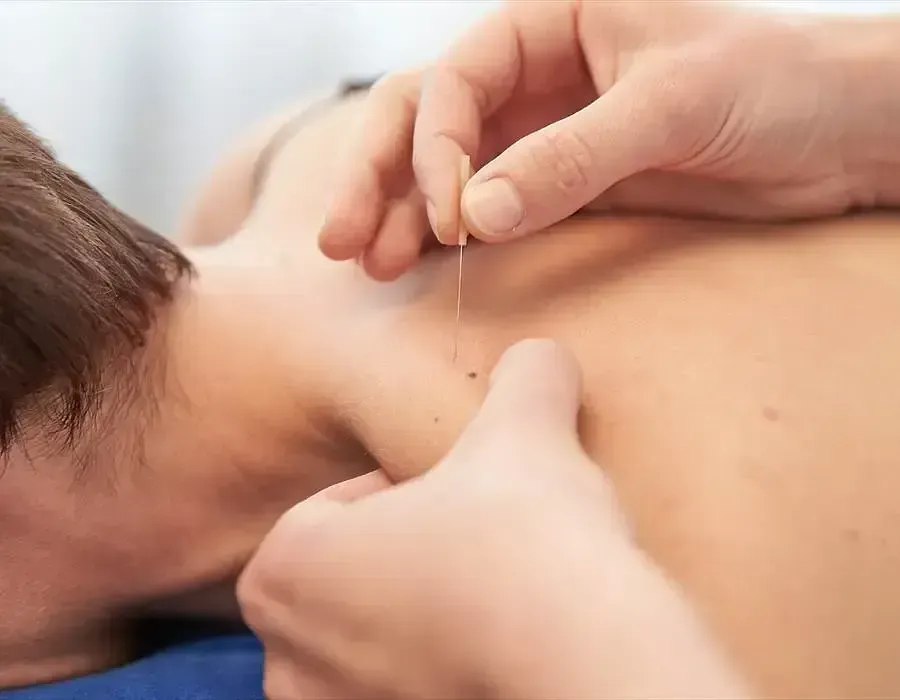
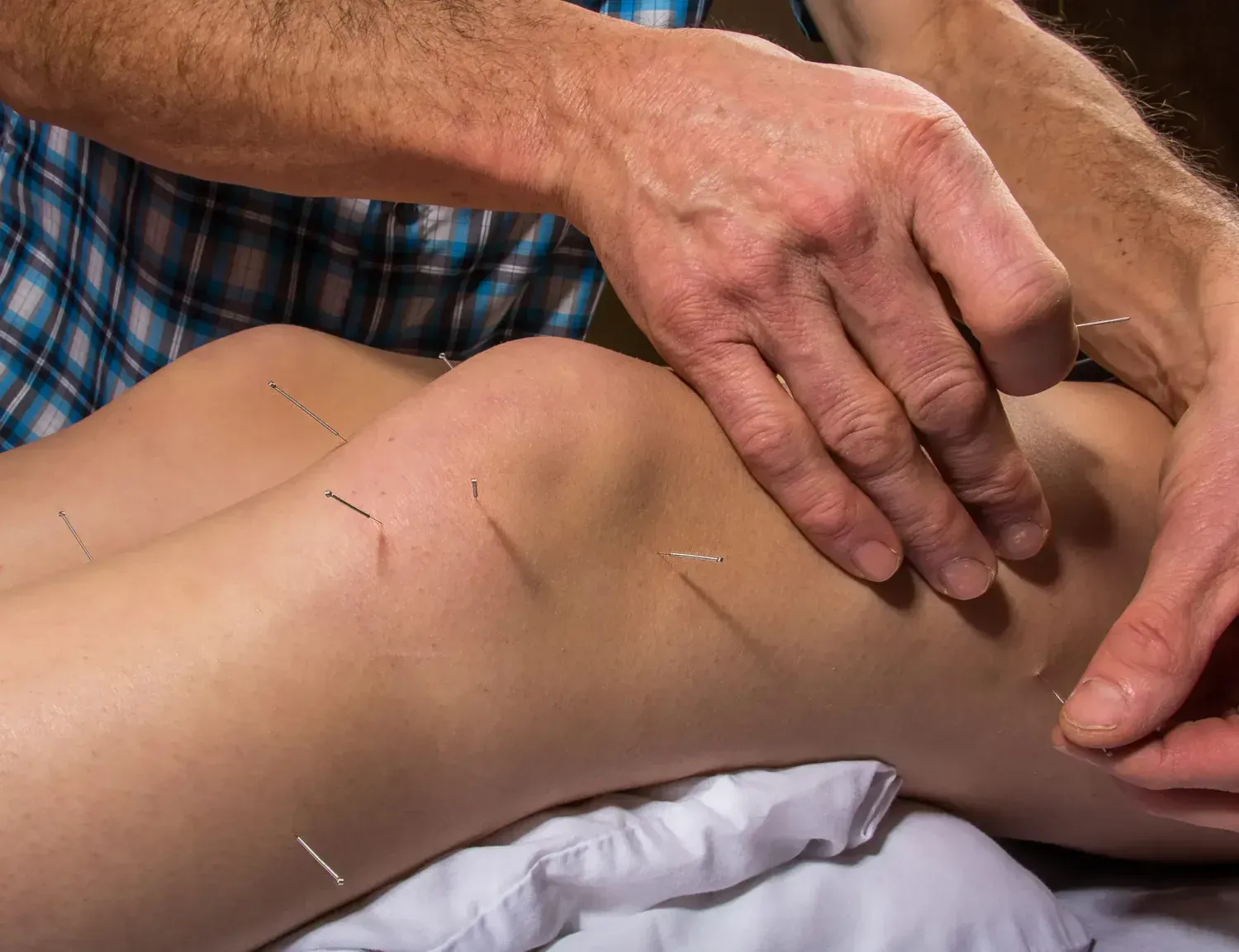
It involves the insertion of fine, solid needles directly into myofascial trigger points, which are areas in the muscle that present tension and pain.
Although it shares certain similarities with acupuncture, dry needling is based on anatomical and neurophysiological principles to relieve pain and improve muscle mobility.
What Conditions Can Dry Needling Help With?
Sports injuries
Dry needling is highly effective in treating sports injuries such as tendinitis, sprains, and muscle overloads. By releasing points of tension and improving blood flow in the affected area, the healing of injured tissue is accelerated, and the athlete’s downtime is reduced.
Muscle tension
For those suffering from chronic or acute pain due to muscle contractures or tension, dry needling is an excellent therapeutic option. By targeting localized pain points, the technique relieves spasms and improves mobility, allowing for a quicker and more effective recovery.
Scar treatment
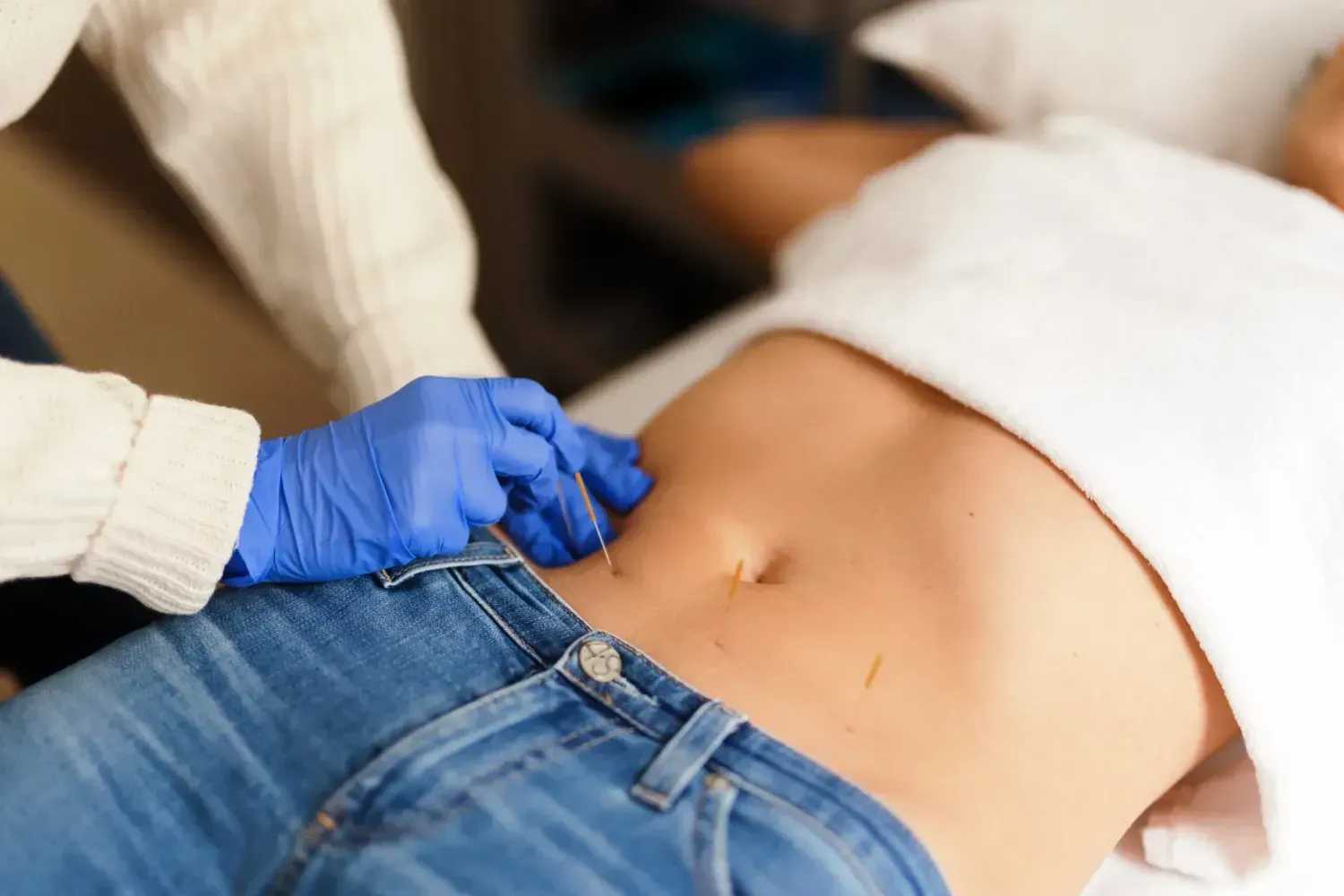
Dry needling is effective in reducing adhesions and scar tissue, improving the elasticity and function of surrounding tissues. This is especially beneficial for cesarean scars, where adhesions can cause restrictions in deep tissues, leading to pain or discomfort.
What are the Benefits of Dry Needling?
Pain Reduction
The main benefits of dry needling include pain reduction, the release of muscle tension, and improved range of motion.
By inserting the needle into the trigger points, a local reaction occurs that promotes muscle relaxation and a reduction in painful symptoms.
This treatment can be particularly useful in managing various musculoskeletal conditions, as it facilitates faster and more effective recovery.
Dry Needling and Pelvic Health
Dysfunctions such as urinary incontinence, chronic pelvic pain, and sexual dysfunctions may be associated with the presence of trigger points in the pelvic floor muscles.
Through dry needling, these pain points can be deactivated, improving muscle function and reducing symptoms.
This contributes to better sphincter control, pain relief, and an improved quality of life for women suffering from these issues, especially after pregnancy or childbirth.
Is Dry Needling Right for You?
Dry needling is a versatile and effective treatment for a wide range of muscular issues, from sports injuries to post-surgical scars.
Additionally, its application in pelvic health offers an effective solution for women suffering from pelvic floor dysfunctions or cesarean scars.
If you experience chronic muscle pain, tension, or are looking to improve the mobility of a scar, dry needling may be an option to consider.
Book your appointment
If you're uncertain which appointment type fits your situation, choose the MSK Assessment (45min).
Our administrative team will follow up with you to ensure the booking is appropriate.
We are fully accredited



Meet Our Team
Our therapists are experts in physiotherapy, offering solutions for sport injuries, chronic pain, muscle pain, pelvic floor physi and C-section recovery.

Marina Rodrig
Marina graduated with a degree in Physiotherapy from the University of Rovira i Virgili, Spain, in 2019.
After gaining experience in musculoskeletal and neurological physiotherapy, she discovered her passion for Women’s Health and completed an MSc in Pelvic Health Physiotherapy in Barcelona in 2020.
Further training in pelvic pain, urogynaecology, and sexual dysfunction has equipped Marina with the expertise to treat conditions such as endometriosis, PCOS, vaginismus, and vulvodynia.
In 2023, she earned a Pre and Postnatal Coaching Certificate, enhancing her skills in nutrition, coaching, strength, and conditioning alongside physiotherapy techniques.
Marina’s treatment approach combines education, manual therapy, dry needling, exercise prescription, Pilates, and the Hypopressive Method.
With a holistic and empathetic approach, she prioritizes empowering patients and helping them return to the activities they love.
Marina is a member of the Chartered Society of Physiotherapy (CSP), registered with the HCPC, and a member of the Association of Pelvic, Obstetric, and Gynaecological Physiotherapists (POGP).
Alice Bastick-Ruiz
Alice graduated from Brunel University with a Bachelor’s Degree in Physiotherapy with First Class Honours in 2023.
She worked for the London Royal Free Hospital in Neurology, Respiratory, Critical Care, and Paediatrics where she provided assessment and treatments for various conditions including Musculoskeletal and Orthopaedics ones such as Post Surgery Rehab, Sport Injuries, Chronic Pain.
After working in an acute setting, she decided to come back to her first love for Paediatrics and Musculoskeletal physiotherapy, and specialise in Paediatrics and Women’s Health.
Alice has experience working with babies and kids including musculoskeletal injuries, neurodevelopment, torticollis and clubfoot. She prides herself on creating a reassuring relationship with the patients and their parents.
She also works as pitch-side physiotherapist for a London-based rugby team where she provides first aid treatments and manages acute sport injuries.
She has a level 3 extended Diploma in Sports Massage and a Level 1 Matwork certificate from the Australian Physiotherapy and Pilates Institute which she likes to incorporate as part of her treatments for musculoskeletal injuries.
Alice is a member of the Chartered Society of Physiotherapy (CSP) and is registered with the Health and Care Professions Council (HCPC).

Mathilde Renard
Mathilde graduated from CHU Grenoble Alpes with a specialization in sports physiology and perineal rehabilitation.
Her experience spans athlete rehabilitation, women’s health, and pediatrics, gained through her work in clinics across Grenoble and Paris.
Between 2015 and 2017, Mathilde deepened her expertise in sports physiotherapy by working with the Grenoble women’s rugby team and providing physiotherapy support for major endurance events such as the Ultra Trail du Vercors and Embrunman.
She also specialized in post-surgical rehabilitation for high-altitude athletes.
Passionate about injury prevention, Mathilde conducted research on musculoskeletal risk prevention in young ballet dancers, leading to the creation of an educational website, “Dance Your Health!”.
She furthered her studies with a master’s degree in Health and Medicine Engineering, collaborating with the Opéra Garnier on a project focused on classical dance and cardio-respiratory endurance.
Since 2017, Mathilde has focused on perineal rehabilitation, integrating the B. de Gasquet approach to protect the spine and restore abdominal tone.
She also provides respiratory physiotherapy for infants and continues to expand her expertise in women’s health and pelvic floor rehabilitation.

Sara Dias
Sara completed a BSc in Psychomotor Rehabilitation at the University of Évora (Portugal) in 2017. After working in the autism field for a while, she discovered a new passion — Women’s Health Physiotherapy — which led her to complete a BSc in Physiotherapy at Fontys University of Applied Sciences (Netherlands).
Her professional experience spans both the NHS and private sectors, with a clinical background in musculoskeletal physiotherapy, neurology, and women’s health. She has worked in private practice focusing on back pain and sports-related MSK conditions, and in NHS settings supporting women with post-breast surgery rehabilitation and pelvic health concerns, including pelvic pain, urinary incontinence and, post-natal recovery. She also worked in neurology, assisting patients who have suffered from strokes, Parkinson’s disease, and multiple sclerosis.
To further specialise, Sara has completed additional training in pelvic health, including a course focused on urinary incontinence. She currently works with conditions such as pelvic girdle pain and pelvic floor dysfunctions.
Sara’s approach is holistic and evidence-based, blending manual therapy with tailored exercise rehabilitation. She is committed to empowering patients through education and compassionate care, helping them feel confident and supported in their recovery.
Sara is registered with the Health and Care Professions Council (HCPC), the Chartered Society of Physiotherapy (CSP), and the Pelvic, Obstetric and Gynaecological Physiotherapy Association (POGP).

Élodie Poissenot
Élodie graduated in 2010 from the Masso-Kinesitherapie Institute in Besançon, France, and quickly specialized in women’s health physiotherapy.
She holds multiple advanced certifications, including perineal rehabilitation, abdominal gymnastics (Gasquet method), and K-taping for pre- and postnatal care.
Her passion for women's health led her to earn a diploma in pelvi-perineology and respiratory physiotherapy, and she continues to update her skills regularly through ongoing training and international conferences.
With over a decade of experience in France and the UK, Élodie is highly skilled in pelvic floor rehabilitation, pregnancy and postnatal care, and addressing conditions such as C-section recovery, endometriosis, and diastasis recti.
She is also experienced in pediatric physiotherapy, offering compassionate care for infants with orthopedic or neuromotor conditions.
Élodie is an active member of the International Society for Rehabilitation in Pelvi-Perineology and has been featured in various French and English publications on postpartum recovery and pelvic health.
She is HCPC registered and covered by most insurance providers.

Virgil Bru
Virgil graduated in 2010 from the Physiotherapy Institute of Charleroi, Belgium, and went on to earn a master's degree in physiotherapy.
His career took him to Spain and southwest France, where he specialized in sports physiotherapy, women’s health, and pediatrics, working in renowned institutions such as Respiralia for pediatric respiratory care and Polideportivo Principe De España, treating elite athletes.
In 2012, Virgil moved to London to broaden his expertise and earned a master's degree in osteopathy from the prestigious British School of Osteopathy.
He further specialized in pediatric cranial osteopathy, visceral and obstetric osteopathy, and sports rehabilitation, gaining experience with a South London rugby team.
Dedicated to continuous learning, Virgil is trained in hypopressive gymnastics, post-surgical rehabilitation, and respiratory physiotherapy.
He combines his practical experience with academic research on sitting posture and teaches at physiotherapy training institutes in Belgium.
Virgil is committed to delivering expert care across all aspects of physiotherapy, from postnatal rehabilitation to high-level sports recovery.
Book your appointment
If you're uncertain which appointment type fits your situation, choose the MSK Assessment (45min).
Our administrative team will follow up with you to ensure the booking is appropriate.
FAQ
Dry needling is a technique using thin needles to target trigger points in muscles, releasing tension and promoting healing by triggering a twitch response that improves blood flow and reduces pain.
Yes, when performed by a trained pelvic health physiotherapist, it safely relaxes hypertonic pelvic floor muscles, addressing pain and dysfunction effectively.
Absolutely, it breaks down scar tissue adhesions, softens the scar, and reduces pain or pulling sensations, enhancing mobility post-surgery.
Typically 6-8 weeks post-surgery with medical clearance, ensuring safe healing before beginning treatment.
Yes, it addresses chronic pain by deactivating trigger points, reducing inflammation, and breaking pain cycles, often with noticeable relief after sessions.
It speeds up recovery by releasing muscle tightness, enhancing flexibility, and promoting healing in injured tissues, ideal for athletes resuming activity.
Typically, light activity can resume within 24-48 hours, but consult your physiotherapist for a tailored return-to-sport plan based on injury severity.
Relief can last from days to weeks, depending on the condition, with regular sessions extending benefits for chronic or severe pain.
No, you can book an appointment directly with our dry needling physio specialists. Whether you're seeking help for pelvic pain, sport injuries recovery or chronic pain, we are here to support you.
Most patients see improvement after 1-3 sessions, but a personalized plan (1-2 times/week) will be tailored based on your recovery needs.
Many prolapse cases can be successfully managed with pelvic floor rehabilitation, especially when caught early. We strengthen supporting muscles and teach techniques to prevent worsening, often avoiding the need for surgery.
You may feel a brief twitch or mild discomfort, but it’s generally well-tolerated, with any soreness fading within 24 hours.
During your initial consultation, we will assess your concerns, discuss your symptoms and develop a personalized treatment plan tailored to your needs.
©2025 My French Physio LTD – Privacy Policy
We are fully accredited