
Why Pelvic Floor Rehabilitation is Essential After Every Pregnancy
Personalized care from specialists in women's health
In France, women automatically receive physiotherapy sessions with a women's health specialist after giving birth. This isn't because they like offering free treatments!
They're simply well aware that providing adequate post-natal care prevents issues in the short and long term, saving mothers significant inconvenience by tackling problems from the start and ultimately preventing the need for surgery 5 to 10 years later.
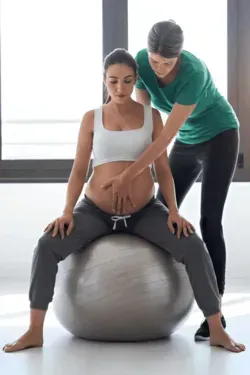
Common Issues After Pregnancy
Urinary Incontinence
30-50% of women
Urine leakage when sneezing, laughing, coughing, lifting, or during physical activities. In extreme cases, even walking can trigger it.
Urgency Incontinence
Common
Sudden, compelling urge to urinate followed by involuntary leakage. Often triggered by running water, cold weather, or approaching the toilet.
Pelvic Organ Prolapse
1 in 3 women over 50
Feeling of heaviness, pressure, or "something falling out." May worsen throughout the day or during physical activity.
Diastasis Recti
Very common
Abdominal muscle separation creating a gap above and below the belly button, affecting core strength and causing lower back pain.
Anal Incontinence
Up to 25% of women
Difficulty controlling gas or stool, especially after forceps delivery, episiotomy, or significant tearing during birth.
Sexual Dysfunction
Widespread
Pain during intercourse (dyspareunia), loss of sensation, inability to reach orgasm, or involuntary muscle contractions preventing penetration.
Even Without Symptoms, You Still Need Assessment
One of our patients, a Pilates instructor, hadn't recovered proper control of her abdominal muscles. Despite Pilates being fairly safe, she tore her linea alba performing "the hundreds" exercise because she went back to exercise without proper supervision.
Even if you don't notice major symptoms, you likely suffer from some degree of pelvic/abdominal dysfunction such as muscle weakness or loss of control. It may sound minor, but it can have major repercussions.
Why C-Section Mothers Still Need Rehabilitation
Many think: "I had a C-section, I don't need pelvic floor rehabilitation."
This forgets that delivery isn't the only stress on your pelvic floor.
Throughout pregnancy, hormones and your baby's weight stretch these muscles, leading to weakening.
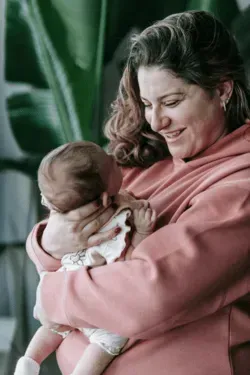

How Professional Pelvic Floor Rehabilitation Works
Comprehensive Assessment
Detailed history taking and symptom evaluation
Hip bone and abdomen examination for pelvic position
Detection of potential diastasis recti
Pelvic floor muscle assessment (with consent)
Bladder and organ position evaluation
Specialized Treatment Techniques
ABDO-MG Method: Functional rehabilitation respecting abdominal physiology, combining controlled exhalation with abdominal stimulation. Safe to start even days after birth or surgery.
Biofeedback Technology: Visualize muscle contractions on screen while standing, walking, or exercising - essential for real-world functionality.
Hypopressive Gymnastics: Creates negative abdominal pressure to strengthen core muscles without harming the pelvic floor.

Marina Rodrig
Pelvic Perineology & Women's Health Physiotherapist
at My French Physio
"We often have new mums who feel guilty taking time for themselves, but it's essential to recover fully and be at your best for your baby. Taking 9 months to recover after 9 months of pregnancy isn't a luxury - it's necessary medical care."
Why Choose French-Trained Physiotherapists?
We were surprised when we arrived in London to discover the lack of information provided to pregnant women and new mothers. In France, this holistic approach requires thorough training to master all techniques and combine them efficiently.
Our Specialized Services Include : Pelvic floor rehabilitation and strengthening, Postpartum recovery programs, Diastasis recti treatment, Return to exercise guidance, Sexual health restoration, Postnatal physio for overall recovery
Google Review from our patients
4.9/5 ⭐⭐⭐⭐⭐
We are fully accredited


What to expect during your first session
🗣️
Step 1
We Listen
We begin with a detailed discussion to understand your concerns, symptoms, and goals.
🦵
Step 2
We Assess
We perform tests for strength, mobility, range of motion, and stability to confirm our assessment.
💬
Step 3
We Explain
We clearly explain the diagnosis and connect it with your symptoms
🤝
Step 4
We Treat
We create a tailored treatment plan and begin the care as soon as you agree.
For the assessment, you may be asked to remove your shirt or perform specific movements. Please wear comfortable clothing that allows easy mobility.
Meet Our Team
Our therapists are experts in women’s health physiotherapy, offering solutions for pelvic floor physio, postpartum physio, and C-section recovery.
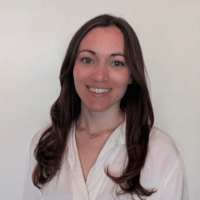
Nikita Clover
Nikita graduated from University of Chichester in 2023 with a first-class honours in BSc Physiotherapy.
She began her career in the NHS, working across Whittington and Royal Free London Trusts for the past three years as a musculoskeletal physiotherapist, gaining extensive experience in managing a wide range of musculoskeletal conditions, trauma and orthopaedics, sports injuries, and persistent pain conditions.
Furthermore, she has experienced working with different sporting codes including professional football, Queen Park Rangers, and semi-professional rugby Chichester R.F.C.
Nikita has always held a strong passion for women’s heath. Alongside her musculoskeletal work, she has experience managing conditions such as pelvic floor dysfunction and supporting women during antenatal period with pelvic girdle pain. She completed further specialist training through the Pelvic Obstetric and Gynaecological Physiotherapy (POGP) course in female urinary dysfunction, in turn building on expertise and evidence-based treatment for pelvic floor conditions.
Nikita is passionate about empowering patients with knowledge and tools they need to take control of their recovery.
Her approach is compassionate, practical, and rooted in evidence-based care, combining clinical expertise with genuine empathy.
Nikita is registered with the HCPC and is a member of the CSP and POGP

Sara Dias
Sara completed a BSc in Psychomotor Rehabilitation at the University of Évora (Portugal) in 2017. After working in the autism field for a while, she discovered a new passion — Women’s Health Physiotherapy — which led her to complete a BSc in Physiotherapy at Fontys University of Applied Sciences (Netherlands).
Her professional experience spans both the NHS and private sectors, with a clinical background in musculoskeletal physiotherapy, neurology, and women’s health. She has worked in private practice focusing on back pain and sports-related MSK conditions, and in NHS settings supporting women with post-breast surgery rehabilitation and pelvic health concerns, including pelvic pain, urinary incontinence and, post-natal recovery. She also worked in neurology, assisting patients who have suffered from strokes, Parkinson’s disease, and multiple sclerosis.
To further specialise, Sara has completed additional training in pelvic health, including a course focused on urinary incontinence. She currently works with conditions such as pelvic girdle pain and pelvic floor dysfunctions.
Sara’s approach is holistic and evidence-based, blending manual therapy with tailored exercise rehabilitation. She is committed to empowering patients through education and compassionate care, helping them feel confident and supported in their recovery.
Sara is registered with the Health and Care Professions Council (HCPC), the Chartered Society of Physiotherapy (CSP), and the Pelvic, Obstetric and Gynaecological Physiotherapy Association (POGP).
Marina Rodrig
Marina graduated with a degree in Physiotherapy from the University of Rovira i Virgili, Spain, in 2019.
After gaining experience in musculoskeletal and neurological physiotherapy, she discovered her passion for Women’s Health and completed an MSc in Pelvic Health Physiotherapy in Barcelona in 2020.
Further training in pelvic pain, urogynaecology, and sexual dysfunction has equipped Marina with the expertise to treat conditions such as endometriosis, PCOS, vaginismus, and vulvodynia.
In 2023, she earned a Pre and Postnatal Coaching Certificate, enhancing her skills in nutrition, coaching, strength, and conditioning alongside physiotherapy techniques.
Marina’s treatment approach combines education, manual therapy, dry needling, exercise prescription, Pilates, and the Hypopressive Method.
With a holistic and empathetic approach, she prioritizes empowering patients and helping them return to the activities they love.
Marina is a member of the Chartered Society of Physiotherapy (CSP), registered with the HCPC, and a member of the Association of Pelvic, Obstetric, and Gynaecological Physiotherapists (POGP).

Alice Bastick-Ruiz
Alice graduated from Brunel University with a Bachelor’s Degree in Physiotherapy with First Class Honours in 2023.
She worked for the London Royal Free Hospital in Neurology, Respiratory, Critical Care, and Paediatrics where she provided assessment and treatments for various conditions including Musculoskeletal and Orthopaedics ones such as Post Surgery Rehab, Sport Injuries, Chronic Pain.
After working in an acute setting, she decided to come back to her first love for Paediatrics and Musculoskeletal physiotherapy, and specialise in Paediatrics and Women’s Health.
Alice has experience working with babies and kids including musculoskeletal injuries, neurodevelopment, torticollis and clubfoot. She prides herself on creating a reassuring relationship with the patients and their parents.
She also works as pitch-side physiotherapist for a London-based rugby team where she provides first aid treatments and manages acute sport injuries.
She has a level 3 extended Diploma in Sports Massage and a Level 1 Matwork certificate from the Australian Physiotherapy and Pilates Institute which she likes to incorporate as part of her treatments for musculoskeletal injuries.
Alice is a member of the Chartered Society of Physiotherapy (CSP) and is registered with the Health and Care Professions Council (HCPC).
Élodie Poissenot
Élodie graduated in 2010 from the Masso-Kinesitherapie Institute in Besançon, France, and quickly specialized in women’s health physiotherapy.
She holds multiple advanced certifications, including perineal rehabilitation, abdominal gymnastics (Gasquet method), and K-taping for pre- and postnatal care.
Her passion for women's health led her to earn a diploma in pelvi-perineology and respiratory physiotherapy, and she continues to update her skills regularly through ongoing training and international conferences.
With over a decade of experience in France and the UK, Élodie is highly skilled in pelvic floor rehabilitation, pregnancy and postnatal care, and addressing conditions such as C-section recovery, endometriosis, and diastasis recti.
She is also experienced in pediatric physiotherapy, offering compassionate care for infants with orthopedic or neuromotor conditions.
Élodie is an active member of the International Society for Rehabilitation in Pelvi-Perineology and has been featured in various French and English publications on postpartum recovery and pelvic health.
She is HCPC registered and covered by most insurance providers.

Virgil Bru
Virgil graduated in 2010 from the Physiotherapy Institute of Charleroi, Belgium, and went on to earn a master's degree in physiotherapy.
His career took him to Spain and southwest France, where he specialized in sports physiotherapy, women’s health, and pediatrics, working in renowned institutions such as Respiralia for pediatric respiratory care and Polideportivo Principe De España, treating elite athletes.
In 2012, Virgil moved to London to broaden his expertise and earned a master's degree in osteopathy from the prestigious British School of Osteopathy.
He further specialized in pediatric cranial osteopathy, visceral and obstetric osteopathy, and sports rehabilitation, gaining experience with a South London rugby team.
Dedicated to continuous learning, Virgil is trained in hypopressive gymnastics, post-surgical rehabilitation, and respiratory physiotherapy.
He combines his practical experience with academic research on sitting posture and teaches at physiotherapy training institutes in Belgium.
Virgil is committed to delivering expert care across all aspects of physiotherapy, from postnatal rehabilitation to high-level sports recovery.
Our physiotherapist deals with a variety of women's health related issues
Pregnancy
Issues
Comprehensive care during pregnancy to help you stay comfortable, active, and prepared for childbirth.
Post-Natal
Issues
Personalized physiotherapy to support your recovery after childbirth and help you regain strength.
Women's Health Issues
Expert care for a range of women’s health concerns, ensuring your physical and emotional well-being.
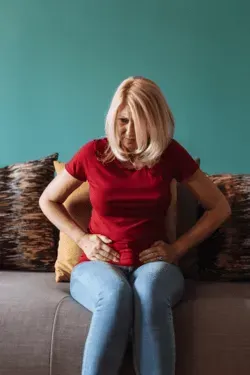
Pelvic Pain
Issues
Professional treatments designed to address and relieve various pelvic pain conditions effectively.
Book your appointment
If you're uncertain which appointment type fits your situation, choose the MSK Assessment (45min).
Our administrative team will follow up with you to ensure the booking is appropriate.
FAQ
Pelvic floor physiotherapy focuses on strengthening and rehabilitating the pelvic muscles to treat issues such as pelvic pain, prolapsed womb, and post-natal recovery. It is highly effective for conditions like C-section recovery and incontinence.
If you're experiencing issues such as pelvic floor weakness, swollen feet, or pain after childbirth, post-natal physio can help restore strength and function. Our tailored treatments address common concerns, including C-section recovery and pelvic floor strengthening.
Our endometriosis specialists provide targeted pelvic floor rehabilitation to alleviate pain and improve quality of life. This approach can help reduce discomfort related to endometriosis and enhances daily function.
Gynae physiotherapy is recommended for symptoms such as pelvic pain, prolapsed womb, or discomfort related to Cystocele. If you experience any of these, a specialized assessment can help determine the right treatment plan.
Our girdle pain physio treatments focus on reducing pain and improving mobility through targeted exercises and hands-on therapy. This approach is especially beneficial for women during pregnancy and postpartum recovery.
No, pelvic floor strengthening is beneficial for women of all ages experiencing issues such as incontinence, prolapsed womb, or pelvic pain. It’s a key component of our women’s health physiotherapy services.
During your initial consultation, we will assess your concerns, discuss your symptoms (such as Cystocele, pelvic pain, or postpartum issues), and develop a personalized treatment plan tailored to your needs.
Results can vary, but most patients begin to notice improvements within a few sessions, particularly for conditions such as C-section recovery, swollen feet physio, and postpartum physio.
No, you can book an appointment directly with our pelvic floor physio specialists. Whether you're seeking help for endometriosis, pelvic pain, or post-natal recovery, we are here to support you.
Yes, we treat pain during intercourse (dyspareunia), loss of sensation, and involuntary muscle contractions. Treatment includes scar tissue work, muscle relaxation techniques, and gradual desensitization.
Yes! While C-section may be less traumatic for pelvic floor muscles, pregnancy itself weakens them. Additionally, C-section significantly impacts abdominal muscles, requiring specialized rehabilitation for full recovery.
Stress incontinence occurs during physical activity (coughing, sneezing, exercise). Urgency incontinence is sudden, compelling urges often triggered by environmental cues. Both respond well to targeted pelvic floor physiotherapy.
Many prolapse cases can be successfully managed with pelvic floor rehabilitation, especially when caught early. We strengthen supporting muscles and teach techniques to prevent worsening, often avoiding the need for surgery.
©2025 My French Physio LTD – Privacy Policy
We are fully accredited